
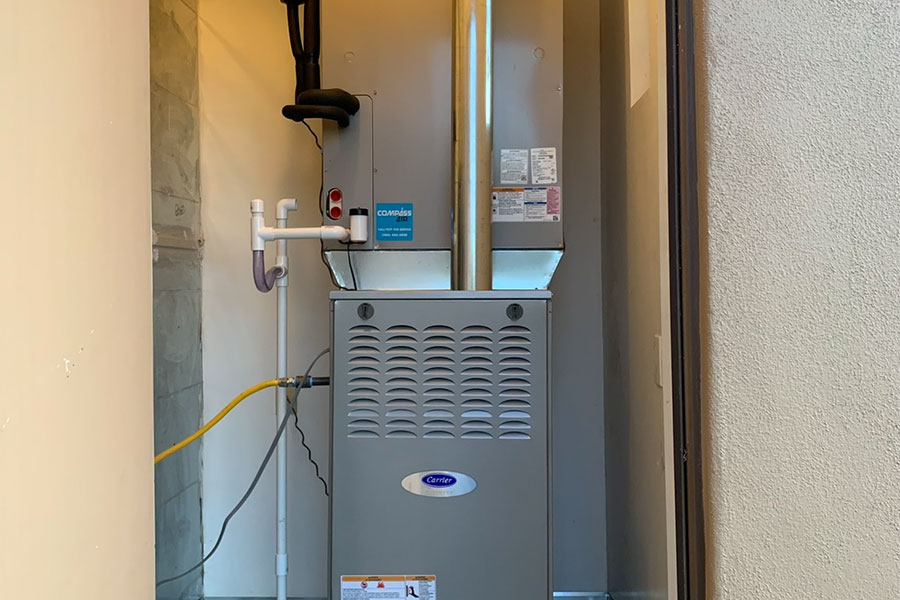
A heating or cooling system that stops working unexpectedly rarely chooses a convenient moment. It tends to happen on the hottest day of the summer, the coldest night of the winter, or the afternoon before a holiday weekend. Knowing how to respond — what actually constitutes an emergency, what you can check before calling, and what to look for in a provider — makes the situation considerably easier to manage.
This guide covers the full scope of emergency HVAC repair: what it is, when it’s warranted, how to stay safe in the meantime, and how to evaluate the companies offering to help.
What Counts as an Emergency HVAC Situation
Not every HVAC problem requires an emergency service call, and understanding the difference helps you make a clear-headed decision under pressure.
A genuine HVAC emergency is one where the failure creates a health or safety risk, or where the conditions in the home become untenable within a short period of time. The following situations typically warrant emergency attention.
Extreme Heat with No Cooling
When outdoor temperatures are high and a home’s air conditioning fails completely, indoor temperatures can rise to dangerous levels within hours — particularly for households with elderly residents, young children, or anyone with a respiratory or cardiovascular condition. Heat-related illness is a real risk, and a non-functioning AC in those conditions is not a situation to wait out until the next available routine appointment.
Complete Heating Failure in Cold Weather
A furnace or heat pump that stops working during freezing temperatures puts both occupants and the home itself at risk. Pipes can freeze and burst when interior temperatures drop far enough — a secondary consequence that can cause thousands of dollars in damage. If temperatures inside the home are falling and outdoor conditions are at or below freezing, this is an emergency by any reasonable measure.
Gas Smell or Carbon Monoxide Detection
If you smell gas near your furnace or HVAC equipment, or if a carbon monoxide detector activates, leave the home immediately and call your gas utility or emergency services before contacting an HVAC company. These situations involve immediate life safety and are handled by emergency responders first. An HVAC technician plays a role in the follow-up inspection and repair — not the initial response.
Electrical Issues or Burning Smells from Equipment
A burning smell coming from your air handler, furnace, or outdoor unit, or visible signs of electrical arcing or scorching around HVAC equipment, should be treated with urgency. Shut the system off at the thermostat and, if the smell persists or worsens, at the breaker. This type of failure warrants same-day attention.
Situations That Can Wait for a Standard Appointment
Not every uncomfortable situation is an emergency. The following problems are worth addressing promptly, but they typically don’t require after-hours response:
- Reduced cooling performance when outdoor temperatures are moderate and the home remains livable
- Unusual sounds from the unit that started recently but haven’t worsened
- Uneven temperatures between rooms or zones
- A tripped breaker that resets and doesn’t immediately trip again
If you’re unsure, a quick call to your HVAC provider to describe the situation is a reasonable step. A good company will help you assess whether same-day service is necessary or whether a next-day appointment makes more sense.
What to Do Before the Technician Arrives
There are a few things you can check and do while waiting for an emergency service visit. These steps won’t replace a professional diagnosis, but they can rule out simple causes and help the technician arrive with useful context.
Check the thermostat. Confirm it’s set to the correct mode (cooling or heating) and that the temperature setting is appropriate. A thermostat that lost its settings after a power interruption is a surprisingly common cause of a system that appears to have failed.
Check the air filter. A severely clogged filter can restrict airflow enough to cause the system to shut down on a safety limit. If the filter is visibly blocked, replacing it may allow the system to restart — though if the system was running with a blocked filter for an extended period, a professional inspection is still warranted.
Check the circuit breaker. If the system won’t turn on at all, confirm the breaker for the air handler and outdoor unit haven’t tripped. Reset once if they have. If the breaker trips again immediately, do not reset it a second time — that indicates a fault that requires professional diagnosis.
Check the condensate drain pan. Some systems have a float switch that shuts the system down if the condensate drain pan fills with water. If you see standing water in the pan beneath the air handler, the drain line is likely clogged. This is a common cause of unexpected shutdowns in summer.
These steps are simple and safe. Beyond them, leave the diagnosis to the technician. HVAC equipment involves refrigerant under pressure, high-voltage electrical components, and in the case of furnaces, combustion systems — none of which are appropriate for homeowner troubleshooting.
How Emergency HVAC Repair Pricing Works
Emergency service calls typically carry a higher rate than standard appointments, reflecting the after-hours availability and the logistics of dispatching a technician outside of normal business hours. This is standard practice across the industry and worth understanding before you need it.
What varies considerably between providers is how that pricing is structured and communicated. A trustworthy company will tell you the service call rate before dispatching a technician, provide a clear diagnosis and written estimate before any repair work begins, and not use the urgency of the situation as leverage for unnecessary additional work.
Be cautious of any provider who is vague about pricing until after the technician has arrived, recommends expensive repairs or full system replacement without a thorough diagnosis, or applies pressure to make a decision on the spot. Emergency situations can feel coercive — a provider who operates with integrity won’t take advantage of that.
What to Look for in an Emergency HVAC Provider
The quality of emergency HVAC service varies significantly. When you need help quickly, it’s worth knowing what to look for.
Licensed and certified technicians. HVAC work in most states requires licensure, and refrigerant handling requires EPA 608 certification. Confirm the company employs properly credentialed technicians — not subcontractors brought in to fill emergency capacity.
Clear communication before and during the visit. A professional company will confirm the service call rate, give you an honest assessment of what was found, and explain the recommended repair before beginning work. There should be no surprises on the invoice.
A track record with residential customers. Emergency HVAC repair for homeowners is different from commercial service. Look for a company with demonstrated experience in residential systems and a reputation for treating homes with care.Availability that matches the situation. If a company advertises emergency service, confirm what that actually means — whether they have technicians available after hours, on weekends, and on holidays, or whether “emergency” simply means they’ll try to fit you in sooner than their standard wait.
The Role of Maintenance in Preventing Emergencies
The most effective way to manage emergency HVAC situations is to reduce how often they happen. Most system failures that result in emergency calls have warning signs that show up during routine maintenance — a capacitor testing below spec, a refrigerant pressure that’s drifted slightly low, a contactor showing wear.
A system that receives annual professional service is not immune to unexpected failure, but it is significantly less likely to experience one. The cost of a yearly tune-up is modest compared to both the repair cost and the disruption of a system failing without warning during peak season.
If your system has gone multiple seasons without a professional inspection, getting current on maintenance is a straightforward way to reduce your exposure to the kind of failures that end up requiring emergency service.

Schedule Service with Compass Air
When your HVAC system isn’t working and the conditions in your home can’t wait, Compass Air Conditioning & Furnace Repair is the HVAC company in Scottsdale, AZ you can rely on for professional diagnosis and skilled repairs. Our technicians arrive prepared, communicate clearly, and work to get your system back up and running correctly—not just quickly.
We approach every service call, emergency or otherwise, with the same commitment to quality workmanship, honest service, and lasting comfort for your home.
Schedule a Visit or Request a Quote to get started.